


Tunic from Palermo; Blue and red velvet, gold embroidery, gold appliqués with cloisonné enamel and filligree, pearls; l. 141,5 cm, 343 cm wide at hem. Period: Middle Byzantine, circa: 2nd quarter of the 12th century. Kunsthistorisches Museum, Vienna. The Kunsthistorisches Museum was built in 1891 near the Imperial Palace to house the extensive collections of the imperial family. With its vast array of eminent works and the largest Bruegel collection in the world, it is considered one of the most eminent museums in the world. Opening hours June to August Daily, 10 a.m. – 6 p.m. Thu, 10 a.m. – 9 p.m. September to May Tue – Sun, 10 a.m. – 6 p.m. Thu, 10 a.m. – 9 p.m.

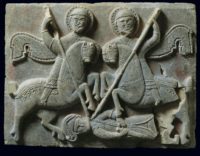
Relief from the exterior ornamentation of a church at Amaseia in the Pontos. Materials: stone, Period: Middle Byzantine, circa: (1197-1207). Showing the military saints Dimitrios and Theodoros slaying the Bulgarian tsar Skyloyannis or Kaloyannis. Dimensions: 0.33×0.44×0.05 m. Traces of red pigment are visible.
The Benaki Museum of Greek Culture is housed in one of the most beautiful neoclassical-style buildings in Athens, near the National Garden and the Hellenic Parliament. It was converted into a museum in order to shelter the collections of Antonis Benakis and was donated to the Greek nation by himself and his three sisters, Alexandra, Penelope and Argine. Following its most recent refurbishment (1989–2000), the building houses a unique exhibition on Greek culture arranged diachronically from prehistory to the 20th century.
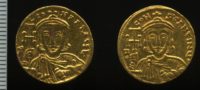
Gold coin; Ruler: Constantine V Copronymus; Leo III, Byzantine Emperor; Period: Middle Byzantine; circa: 737-741; Minted in: Constantinople. Weight: 4.4 grammes Diameter: 19 millimetres. British Museum is closed 24, 25 and 26 December and 1 January, but is open every other day of the year. Fast facts about the British Museum: Founded: 1753, Collection size: 8 million objects, Oldest object in the collection: Stone chopping tool (nearly 2 million years old).

Ornament (Gammadion and Segmentum) from a Tunic, Period: Early Byzantine; circa: 6th century. Materials: tabby ground, inwoven tapestry ornament; wool. The Cleveland Art Museum Hours: Tuesdays, Thursdays, Saturdays, Sundays 10:00 a.m.–5:00 p.m. Wednesdays, Fridays 10:00 a.m.–9:00 p.m. Closed Mondays.

Pendant Cross, support for a candelabrum or incense-holder. Period: Middle Byzantine, circa: 8th century A.D. Material: Bronze. Dimensions: Height (top part): 18.5 cm (7 5/16 in.); (height) bottom part: 24.5 cm (9 5/8 in.). The MFA is open 7 days a week. Monday and Tuesday 10 am–5 pm, Wednesday–Friday 10 am–10 pm, Saturday and Sunday 10 am–5 pm.

Vollschmelz medallion (9th Century – Middle Byzantine Period). Gold cloisonné; bust of St. Nicholas, his right hand raised in benediction, a book in his left; inscription. British Museum is closed 24, 25 and 26 December and 1 January, but is open every other day of the year. Fast facts about the British Museum: Founded: 1753, Collection size: 8 million objects, Oldest object in the collection: Stone chopping tool (nearly 2 million years old).

Gold coin, Ruler: Tiberius III, 705-711, Minted in: Ravenna, Weight: 4.238 grammes. British Museum is closed 24, 25 and 26 December and 1 January, but is open every other day of the year. Fast facts about the British Museum: Founded: 1753, Collection size: 8 million objects, Oldest object in the collection: Stone chopping tool (nearly 2 million years old).
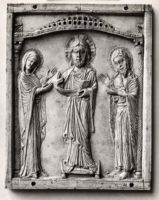
Ivory Panel, carved with standing figures, Christ with the Virgin Mary and St John, below a pierced canopy; four holes for attachment in the raised border. Period: Middle Byzantine circa: 10thc. Materials: Ivory. British Museum is closed 24, 25 and 26 December and 1 January, but is open every other day of the year. Fast facts about the British Museum: Founded: 1753, Collection size: 8 million objects, Oldest object in the collection: Stone chopping tool (nearly 2 million years old).

Gold Coin. Ruler: Leo III. Period: Middle Byzantine, circa: 717-741. Minted in: Ravenna. Weight: 1.484 grammes. British Museum is closed 24, 25 and 26 December and 1 January, but is open every other day of the year. Fast facts about the British Museum: Founded: 1753, Collection size: 8 million objects, Oldest object in the collection: Stone chopping tool (nearly 2 million years old).
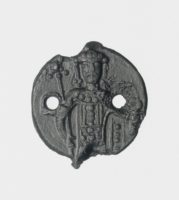
Molivdovul. Manuel I Comnenus, Period: Middle Byzantine, circa: 1143-1180. Material: lead. The collection of the State Hermitage includes over 3 million works of art and world culture artefacts. It contains paintings, graphic works, sculptures, works of applied art, archaeological artefacts and numismatic objects. The Hermitage is considered to have been founded in 1764, when Empress Catherine the Great acquired an impressive collection of works from the Berlin merchant Johann Ernst Gotzkowsky. The museum celebrates the anniversary of its founding each year on 7 December, St. Catherine’s Day. Opening Hours: Tuesday, Thursday, Saturday, Sunday: 10.30-18.00 Wednesday, Friday: 10.30-21.00 Closed: Monday.

Tapestry panel: Head of a man. Coptic, Egypt. Period: Early Byzantine circa: 4th-5th century A.D. Dimensions: 23.5 x 20 cm (9 1/4 x 7 7/8 in.); Legacy dimension: 23.5 x 20.0 cm. Materials: Wool. The MFA is open 7 days a week. Monday and Tuesday 10 am–5 pm, Wednesday–Friday 10 am–10 pm, Saturday and Sunday 10 am–5 pm.
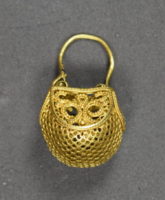
Earring; Period: Middle Byzantine circa: 10thC-12thC. Materials: gold. British Museum is closed 24, 25 and 26 December and 1 January, but is open every other day of the year. Fast facts about the British Museum: Founded: 1753, Collection size: 8 million objects, Oldest object in the collection: Stone chopping tool (nearly 2 million years old).
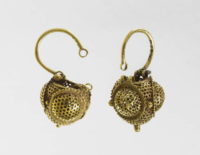
Earring, Period: Middle Byzantine circa: 11thc. Height: 1 inches. Material: gold. British Museum is closed 24, 25 and 26 December and 1 January, but is open every other day of the year. Fast facts about the British Museum: Founded: 1753, Collection size: 8 million objects, Oldest object in the collection: Stone chopping tool (nearly 2 million years old).
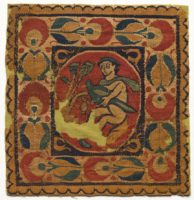
Square Segmentum, Period: Early Byzantine; circa: 5th century. Type of art work: Textile, Materials: tapestry; linen and wool. The Cleveland Art Museum Hours: Tuesdays, Thursdays, Saturdays, Sundays 10:00 a.m.–5:00 p.m. Wednesdays, Fridays 10:00 a.m.–9:00 p.m. Closed Mondays.

Coptic Textile fragment, Period: Early Byzantine circa: 4th–6th century A.D. Object Place: Egypt. Materials: Linen plain weave with wool tapestry insert. Dimensions: 34.5 x 65 cm (13 9/16 x 25 9/16 in.).
The MFA is open 7 days a week. Monday and Tuesday 10 am–5 pm, Wednesday–Friday 10 am–10 pm, Saturday and Sunday 10 am–5 pm.
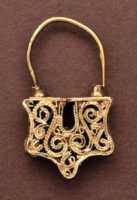
Gold Earring, Period: Middle Byzantine. circa: 12thc. Length: 1.24 inches. British Museum is closed 24, 25 and 26 December and 1 January, but is open every other day of the year. Fast facts about the British Museum: Founded: 1753, Collection size: 8 million objects, Oldest object in the collection: Stone chopping tool (nearly 2 million years old).

Fragment of a Large Hanging, Period: Early Byzantine; circa: 6th century, Made in: Egypt. Materials: tapestry weave (with plain tabby borders): wool and linen. The Cleveland Art Museum Hours: Tuesdays, Thursdays, Saturdays, Sundays 10:00 a.m.–5:00 p.m. Wednesdays, Fridays 10:00 a.m.–9:00 p.m. Closed Mondays.
[xyz-ihs snippet="Cleveland-Museum-Art-Booking-Deals-Finder"]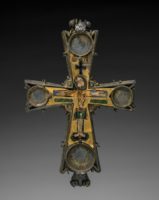
Pectoral Cross. Period: Middle Byzantine; circa: 900s. Made in: Constantinople. Materials: gold, gilt-silver, and cloisonné enamel. Overall: h. 12.4 cm (4 7/8 in.). The Cleveland Art Museum Hours: Tuesdays, Thursdays, Saturdays, Sundays 10:00 a.m.–5:00 p.m. Wednesdays, Fridays 10:00 a.m.–9:00 p.m. Closed Mondays.
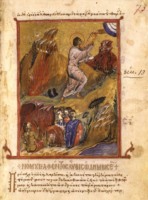
Psalter and New Testament, Period: Middle Byzantine, circa. 1084 A.D. The museum is open to the public Tuesday through Sunday, 11:30 a.m.–5:30 p.m., except for federal holidays.
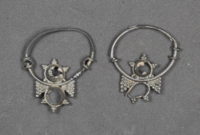
Pair of earrings, Period: Middle Byzantine (10thC-11thC). Material: silver. Diameter: 3.4 centimetres (max). British Museum is closed 24, 25 and 26 December and 1 January, but is open every other day of the year. Fast facts about the British Museum: Founded: 1753, Collection size: 8 million objects, Oldest object in the collection: Stone chopping tool (nearly 2 million years old).

Fragment of a Tunic, Period: Early Byzantine; circa: 5th – 7th century; Materials: tapestry weave; wool and linen. The Cleveland Art Museum Hours: Tuesdays, Thursdays, Saturdays, Sundays 10:00 a.m.–5:00 p.m. Wednesdays, Fridays 10:00 a.m.–9:00 p.m. Closed Mondays.
No entries were found.