



Fragment of a Curtain, Period: Early Byzantine circa: 500s. Made in: Egypt, Materials: tabby weave, inwoven tapestry ornament; wool and linen, Overall: 38 x 52.3 cm (14 15/16 x 20 9/16 in.). The Cleveland Art Museum Hours: Tuesdays, Thursdays, Saturdays, Sundays 10:00 a.m.–5:00 p.m. Wednesdays, Fridays 10:00 a.m.–9:00 p.m. Closed Mondays.


Solidus of Constantinus III, Mint: Constantinople, Period: A.D. 641–668, Early Byzantine. Material: Gold. The MFA is open 7 days a week. Monday and Tuesday 10 am–5 pm, Wednesday–Friday 10 am–10 pm, Saturday and Sunday 10 am–5 pm.
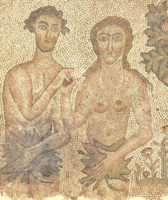
Fragment of a Floor Mosaic- Adam and Eve, Period: late 400s-early 500s, Early Byzantium, Northern Syria. The Cleveland Art Museum Hours: Tuesdays, Thursdays, Saturdays, Sundays 10:00 a.m.–5:00 p.m. Wednesdays, Fridays 10:00 a.m.–9:00 p.m. Closed Mondays.
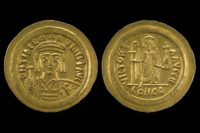
Gold Coin, Ruler: Maurice Tiberius; Period: Early Byzantine; circa: 582-602; Minted in: Ravenna. British Museum is closed 24, 25 and 26 December and 1 January, but is open every other day of the year. Fast facts about the British Museum: Founded: 1753, Collection size: 8 million objects, Oldest object in the collection: Stone chopping tool (nearly 2 million years old).
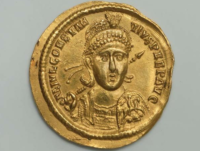
Solidus of Constantius II (333–361). Material: Gold. The museum is open to the public Tuesday through Sunday, 11:30 a.m.–5:30 p.m., except for federal holidays.

Gold coin of Constantine IV; Period: Early Byzantine Period; Date: 654-685; Minted in Rome. British Museum is closed 24, 25 and 26 December and 1 January, but is open every other day of the year. Fast facts about the British Museum: Founded: 1753, Collection size: 8 million objects, Oldest object in the collection: Stone chopping tool (nearly 2 million years old).

Fragment of a Large Hanging, Period: Early Byzantine; circa: 6th century, Made in: Egypt. Materials: tapestry weave (with plain tabby borders): wool and linen. The Cleveland Art Museum Hours: Tuesdays, Thursdays, Saturdays, Sundays 10:00 a.m.–5:00 p.m. Wednesdays, Fridays 10:00 a.m.–9:00 p.m. Closed Mondays.
[xyz-ihs snippet="Cleveland-Museum-Art-Booking-Deals-Finder"]
Gold Earring; Period: Early Byzantine (6thc-7thc), one of a pair crescent-shaped loop. Found: Lambousa (Cyprus). British Museum is closed 24, 25 and 26 December and 1 January, but is open every other day of the year.
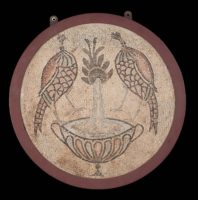
Mosaic, Two Peacocks Perch on a Fountain, Period: Early Byzantine, circa: A.D. 450–462. The MFA is open 7 days a week. Monday and Tuesday 10 am–5 pm, Wednesday–Friday 10 am–10 pm, Saturday and Sunday 10 am–5 pm.
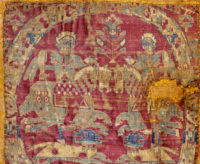
Textile Fragment, Materials: silk and cotton. Period: Middle Byzantine, circa: 8thc-9thc. Rectangular panel of woven silk sen onto a larger cotton cloth of irregular, roughly rectangular shape; two hunters on horseback, in a round frame with floral ornament. British Museum is closed 24, 25 and 26 December and 1 January, but is open every other day of the year.

Cross, Period: Early Byzantine, circa: 6th c. Made in: Constantinople. Material: gold. Dimensions: 5х3 cm. The collection of the State Hermitage includes over 3 million works of art and world culture artefacts. It contains paintings, graphic works, sculptures, works of applied art, archaeological artefacts and numismatic objects. The Hermitage is considered to have been founded in 1764, when Empress Catherine the Great acquired an impressive collection of works from the Berlin merchant Johann Ernst Gotzkowsky. The museum celebrates the anniversary of its founding each year on 7 December, St. Catherine’s Day. Opening Hours: Tuesday, Thursday, Saturday, Sunday: 10.30-18.00 Wednesday, Friday: 10.30-21.00 Closed: Monday.
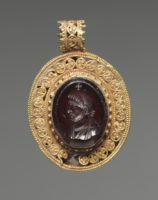
Pendant with Portrait Intaglio, Period: Early Byzantine, circa: 500s. Materials: Garnet with gold filigree setting. Size: 3.4 x 2.3 cm (1 5/16 x 7/8 in.). The Cleveland Art Museum Hours: Tuesdays, Thursdays, Saturdays, Sundays 10:00 a.m.–5:00 p.m. Wednesdays, Fridays 10:00 a.m.–9:00 p.m. Closed Mondays.
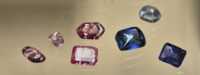
Sapphire and Tourmaline Ring Gems; Period: Early Byzantine, circa: 6-7th century. Findspot/Location: Constantinople. Materials: Sapphire, Tourmaline. In the Istanbul Archaeological Museum collections, there are rich and very important works of art belonging to various civilizations from the regions from Africa to Balkans , from Anatolia and Mesopotamia to Arab Peninsula and Afghanistan that were in the borders of the Ottoman Empire.

Gold Signet-Ring, plain hoop and applied oval bezel depicts bust of Christ(?). Period: Late Roman – Early Byzantine. 5thC-6thC. Found/Acquired: Rome. British Museum is closed 24, 25 and 26 December and 1 January, but is open every other day of the year. Fast facts about the British Museum: Founded: 1753, Collection size: 8 million objects, Oldest object in the collection: Stone chopping tool (nearly 2 million years old).
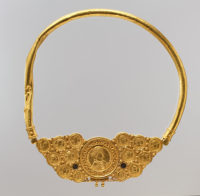
Pectoral with Coins and Pseudo-Medallion, Period: Early Byzantine, circa: 539–50, Materials: Gold, niello, On view at The Met Fifth Avenue in Gallery 302. The Metropolitan Museum of Art (New York) is one of the world’s largest and finest art museums. Its collection includes more than two million works of art spanning five thousand years of world culture, from prehistory to the present and from every part of the globe. Public Hours: 10:30 a.m.–5:30 p.m. Open seven days a week.

Copper Alloy Weight, Period: Early Byzantine, 6thc-7thc, discoidal with double-grooved convex profile; lathe-turned with rims; face engraved with double wreath enclosing cross above denominational mark, both inlaid with silver. British Museum is closed 24, 25 and 26 December and 1 January, but is open every other day of the year.

Bird Figure, Period: Early Byzantine, circa: 6thC-7thC; Made in: Egypt. Dimensions: Height: 2.6 inches. British Museum is closed 24, 25 and 26 December and 1 January, but is open every other day of the year. Fast facts about the British Museum: Founded: 1753, Collection size: 8 million objects, Oldest object in the collection: Stone chopping tool (nearly 2 million years old).

Marriage Belt, Period: Early Byzantine, circa Late 6th-to-early 7th century A.D. Material: Gold. The museum is open to the public Tuesday through Sunday, 11:30 a.m.–5:30 p.m., except for federal holidays.
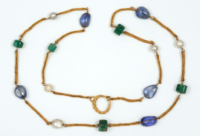
Necklace. Materials: Pearls, Sapphires, Gold, Gems and Plasma. Period: Early Byzantine, circa: early 5th century. The museum is open to the public Tuesday through Sunday, 11:30 a.m.–5:30 p.m., except for federal holidays.

Mosaic Panel. Period: Early Byzantine; circa: Late 6th – early 7th century. Findspot: Istanbul, Kalenderhane Mosque excavations. Decorated the southern niche of the apse; it depicts the earliest presentation scene, the hypapante, found in Istanbul. Materials: stone, glass. In the Istanbul Archaeological Museum collections, there are rich and very important works of art belonging to various civilizations from the regions from Africa to Balkans , from Anatolia and Mesopotamia to Arab Peninsula and Afghanistan that were in the borders of the Ottoman Empire.

Solidus of Constantine I (306–337), Material: Gold. The museum is open to the public Tuesday through Sunday, 11:30 a.m.–5:30 p.m., except for federal holidays.
No entries were found.