

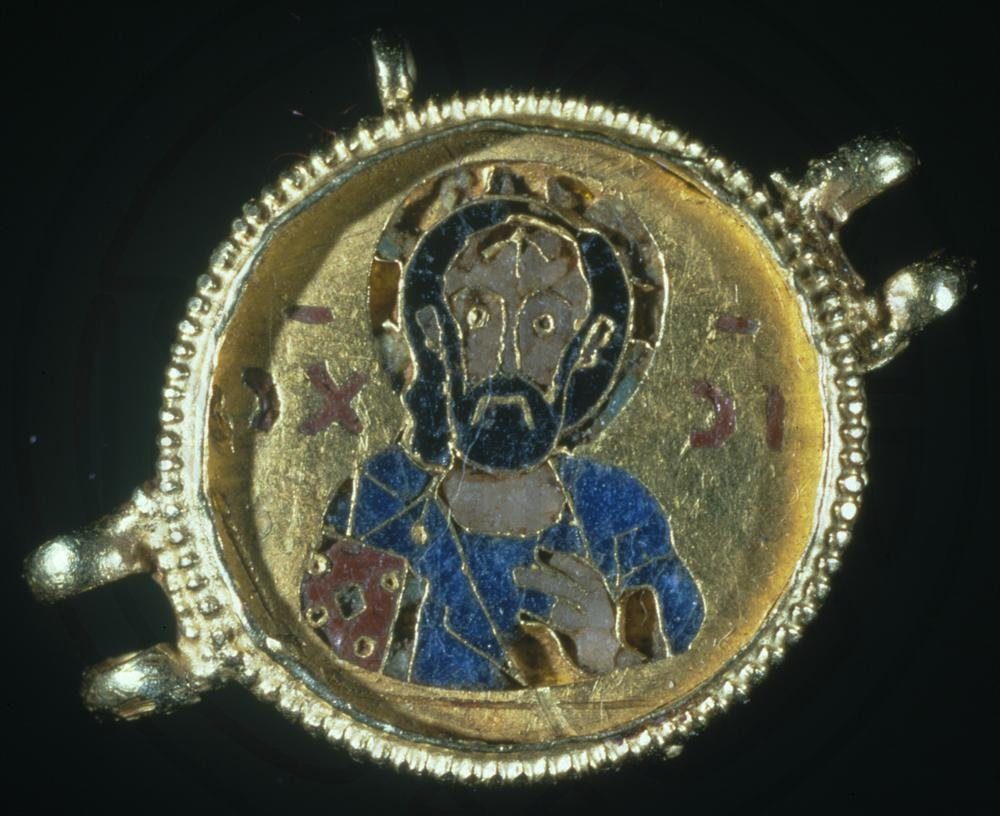
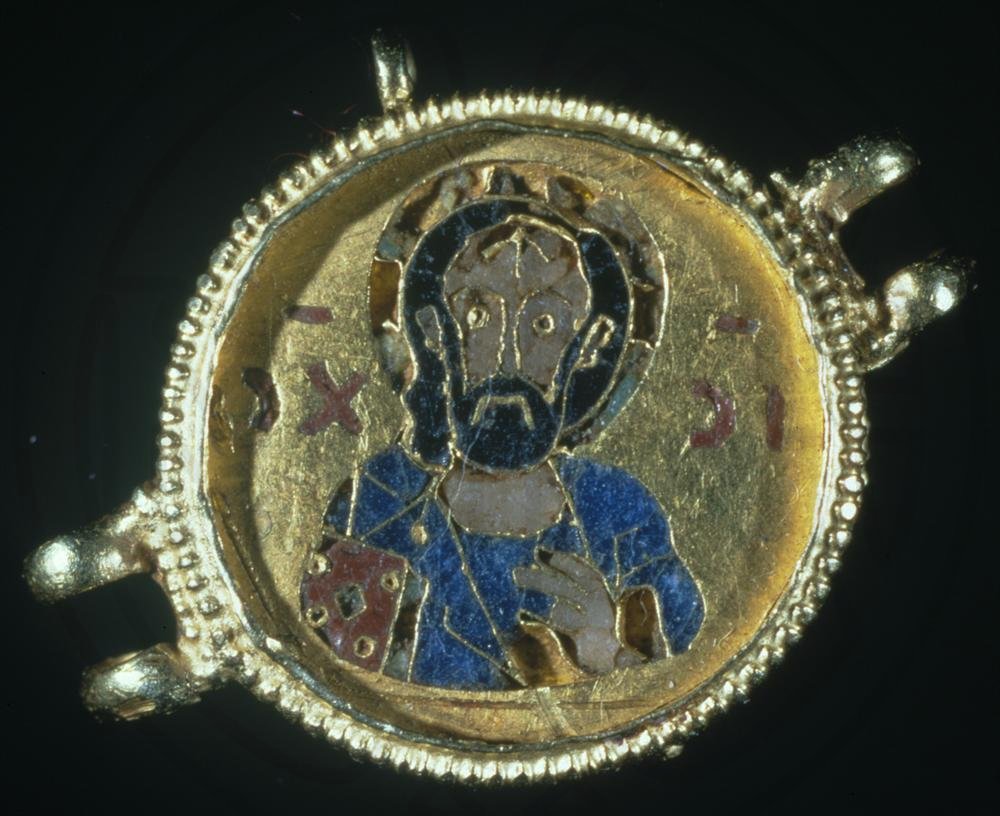
Double-sided circular jewellery attachment. Christ Pantokrator is depicted on one side and the Virgin Orans on the other side. Period: Late Byzantine; circa: early 12th century. Dimensions: 0,026 m. The Benaki Museum of Greek Culture is housed in one of the most beautiful neoclassical-style buildings in Athens, near the National Garden and the Hellenic Parliament. It was converted into a museum in order to shelter the collections of Antonis Benakis and was donated to the Greek nation by himself and his three sisters, Alexandra, Penelope and Argine. Following its most recent refurbishment (1989–2000), the building houses a unique exhibition on Greek culture arranged diachronically from prehistory to the 20th century.
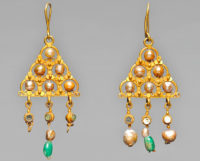
Earrings (pair), Period: Early Byzantine circa: 600s. Materials: gold. The Cleveland Art Museum Hours: Tuesdays, Thursdays, Saturdays, Sundays 10:00 a.m.–5:00 p.m. Wednesdays, Fridays 10:00 a.m.–9:00 p.m. Closed Mondays.
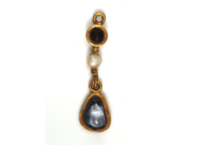
Earring. Materials: Pearl, Ruby, Sapphire, Gold and gems. Period: Early Byzantine, circa: early 5th century. Found in 1910 during restoration work in Piazza della Consolazione, Rome. The museum is open to the public Tuesday through Sunday, 11:30 a.m.–5:30 p.m., except for federal holidays.
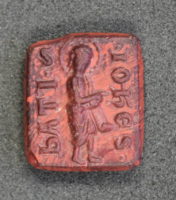
Cameo; red glass; quadrangular; Period: 13thC, Late Byzantine. Figure of St John the Baptist in relief with inscription. Made in: Venice. British Museum is closed 24, 25 and 26 December and 1 January, but is open every other day of the year.
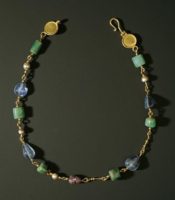
Gold necklace with sapphires, amethysts, emeralds and pearls. Period: Early Byzantine. Place/Findspot: Antinoë in Egypt. The Ravenna mosaics portray this kind of precious jewelry, widespread during Early Christian times, being worn by ladies of the imperial court of Theodora.
The Benaki Museum of Greek Culture is housed in one of the most beautiful neoclassical-style buildings in Athens, near the National Garden and the Hellenic Parliament. It was converted into a museum in order to shelter the collections of Antonis Benakis and was donated to the Greek nation by himself and his three sisters, Alexandra, Penelope and Argine. Following its most recent refurbishment (1989–2000), the building houses a unique exhibition on Greek culture arranged diachronically from prehistory to the 20th century.
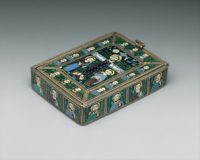
The Fieschi Morgan Staurotheke, Period: Middle Byzantine, circa: early 9th century, Made in Constantinople, Materials: Gilded silver, gold, enamel worked in cloisonné, and niello. On view at The Met Fifth Avenue in Gallery 303. The Metropolitan Museum of Art (New York) is one of the world’s largest and finest art museums. Its collection includes more than two million works of art spanning five thousand years of world culture, from prehistory to the present and from every part of the globe. Public Hours: 10:30 a.m.–5:30 p.m. Open seven days a week.
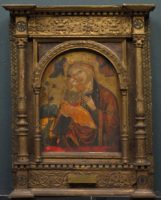
Virgin and Child, Medium: tempera and gold on wood, Type of art work: Painting, Period: Late Byzantine, circa: 1400s. Framed: 63.5 x 50.8 x 10.1 cm (25 x 20 x 4 in.); Unframed: 38.5 x 29.3 cm (15 1/8 x 11 1/2 in.). The Cleveland Art Museum Hours: Tuesdays, Thursdays, Saturdays, Sundays 10:00 a.m.–5:00 p.m. Wednesdays, Fridays 10:00 a.m.–9:00 p.m. Closed Mondays.
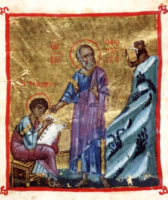
Manuscript Leaf, St. John and Prochoros, Period: Late Byzantine, 13th century. The museum is open to the public Tuesday through Sunday, 11:30 a.m.–5:30 p.m., except for federal holidays.
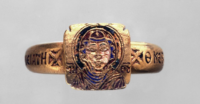
Ring of Michael Attaleiates, Period: Middle Byzantine, Date: Before 1080. Materials: enamel on gold. The museum is open to the public Tuesday through Sunday, 11:30 a.m.–5:30 p.m., except for federal holidays.
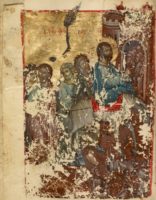
The Entry into Jerusalem, Period: Late Byzantince circa: 13 th century. Place (created): Nicaea (Modern Iznik, Turkey, Anatolia). Dimensions: Leaf: 20.6 × 14.9 cm (8 1/8 × 5 7/8 in.). Materials: Tempera colors and gold leaf on parchment. The J. Paul Getty Museum at the Getty Center in Los Angeles houses European paintings, drawings, sculpture, illuminated manuscripts, decorative arts, and photography from its beginnings to the present, gathered internationally.
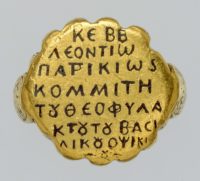
Ring of Leontios, Period: Middle Byzantine, circa: 1000, Materials: Gold, niello, Inscribed: “Lord help Leontius, Patrician and Count of imperial Obsikion guarded by God”. The ring came from Leontios of the district of Opsikion, in exactly what is currently northwestern Turkey. Patrikios as well as komes were Roman titles that moved in definition throughout the Byzantine period; it promises that Leontios was the guv of the district or an upper-level general. On view at The Met Fifth Avenue in Gallery 303 . The Metropolitan Museum of Art (New York) is one of the world’s largest and finest art museums. Its collection includes more than two million works of art spanning five thousand years of world culture, from prehistory to the present and from every part of the globe. Public Hours: 10:30 a.m.–5:30 p.m. Open seven days a week.
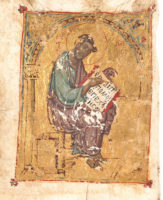
Saint Luke, Byzantine Manuscript, cutting from a Greek Bible. Period: Late Byzantine circa: 1200–25. The MFA is open 7 days a week. Monday and Tuesday 10 am–5 pm, Wednesday–Friday 10 am–10 pm, Saturday and Sunday 10 am–5 pm.
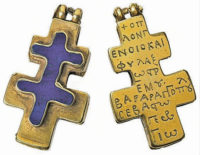
Byzantine Pectoral Cross (front and back), Period: Late Byzantine circa: 1200–1400 A.D. , Benaki Museum, Athens. Museum Description: “Gold pectoral in the form of a Resurrection cross with double horizontal arms set with lapis lazuli. The owner’s name, Georgios Varagkopoulos, is inscribed on the back together with his title Sevastos (Augustus), which reflects his high social standing and explains the luxurious quality of the materials and the fine workmanship. “
The Benaki Museum of Greek Culture is housed in one of the most beautiful neoclassical-style buildings in Athens, near the National Garden and the Hellenic Parliament. It was converted into a museum in order to shelter the collections of Antonis Benakis and was donated to the Greek nation by himself and his three sisters, Alexandra, Penelope and Argine. Following its most recent refurbishment (1989–2000), the building houses a unique exhibition on Greek culture arranged diachronically from prehistory to the 20th century.
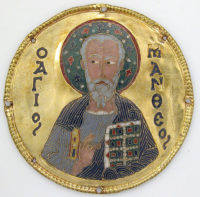
Medallion with Saint Matthew from an Icon Frame, Period: Middle Byzantine, circa: ca. 1100, Made in Constantinople, Materials: Gold, silver, and enamel worked in cloisonné, Dimensions: Diam: 3 1/4 in. (8.3 cm) Mount: 20 1/2 x 15 x 7/8 in. (52.1 x 38.1 x 2.2 cm), The Metropolitan Museum of Art (New York) is one of the world’s largest and finest art museums. Its collection includes more than two million works of art spanning five thousand years of world culture, from prehistory to the present and from every part of the globe. Public Hours: 10:30 a.m.–5:30 p.m. Open seven days a week.
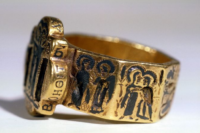
Octagonal Marriage Ring with Holy Site Scenes, Period: Early Byzantine, circa: 7th Century. Materials: gold with niello.The museum is open to the public Tuesday through Sunday, 11:30 a.m.–5:30 p.m., except for federal holidays.
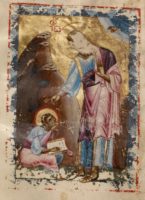
Saint John the Evangelist Dictating, Manuscript, Period: Late Byzantine; circa: 1200 to 1225. Place: Nicomedia (Modern Izmit, Turkey) Materials: Tempera colors and gold leaf on parchment. Dimensions: Leaf: 20.6 × 14.9 cm (8 1/8 × 5 7/8 in.) The J. Paul Getty Museum at the Getty Center in Los Angeles houses European paintings, drawings, sculpture, illuminated manuscripts, decorative arts, and photography from its beginnings to the present, gathered internationally.
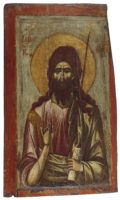
Icon, St John the Baptist. Period: Late Byzantine; circa: Early 14th century. Place: Byzantium, Athos. Technique: tempera on panel lined with canvas. Dimensions: 66x39x2,2 cm. The collection of the State Hermitage includes over 3 million works of art and world culture artefacts. It contains paintings, graphic works, sculptures, works of applied art, archaeological artefacts and numismatic objects. The Hermitage is considered to have been founded in 1764, when Empress Catherine the Great acquired an impressive collection of works from the Berlin merchant Johann Ernst Gotzkowsky. The museum celebrates the anniversary of its founding each year on 7 December, St. Catherine’s Day. Opening Hours: Tuesday, Thursday, Saturday, Sunday: 10.30-18.00 Wednesday, Friday: 10.30-21.00 Closed: Monday.
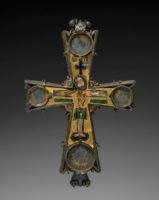
Pectoral Cross. Period: Middle Byzantine; circa: 900s. Made in: Constantinople. Materials: gold, gilt-silver, and cloisonné enamel. Overall: h. 12.4 cm (4 7/8 in.). The Cleveland Art Museum Hours: Tuesdays, Thursdays, Saturdays, Sundays 10:00 a.m.–5:00 p.m. Wednesdays, Fridays 10:00 a.m.–9:00 p.m. Closed Mondays.
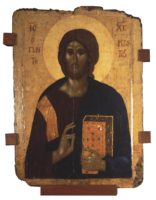
Christ Pantocrator with Donators, Period: Late Byzantine, circa: Circa 1363. Technique: tempera on panel. Dimensions: 106 x 79 x 2,8 cm. The collection of the State Hermitage includes over 3 million works of art and world culture artefacts. It contains paintings, graphic works, sculptures, works of applied art, archaeological artefacts and numismatic objects. The Hermitage is considered to have been founded in 1764, when Empress Catherine the Great acquired an impressive collection of works from the Berlin merchant Johann Ernst Gotzkowsky. The museum celebrates the anniversary of its founding each year on 7 December, St. Catherine’s Day. Opening Hours: Tuesday, Thursday, Saturday, Sunday: 10.30-18.00 Wednesday, Friday: 10.30-21.00 Closed: Monday.
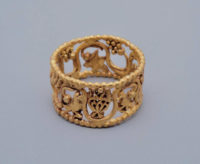
Ring in openwork filigree, Period: Early Byzantine circa (A.D. 550–650). Materials: Gold. The MFA is open 7 days a week. Monday and Tuesday 10 am–5 pm, Wednesday–Friday 10 am–10 pm, Saturday and Sunday 10 am–5 pm.
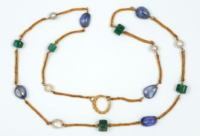
Necklace. Materials: Pearls, Sapphires, Gold, Gems and Plasma. Period: Early Byzantine, circa: early 5th century. The museum is open to the public Tuesday through Sunday, 11:30 a.m.–5:30 p.m., except for federal holidays.
No entries were found.